
For many schools and districts, spring and summer marks the start of professional development planning. Calendars fill quickly with workshops, initiatives, and compliance trainings. But before scheduling another PD session, school leaders should pause and ask a more strategic question:
Are we planning professional development… or building a culture that actually improves instruction and student outcomes?
The most impactful campuses don’t just deliver PD. They design professional learning experiences that acknowledge progress, build teacher ownership, and align directly to student success goals. Before launching new initiatives, effective school leaders start with two critical questions:
- Why are we doing this?
- What progress have we already made?
When administrators anchor professional learning in purpose and reflection, PD shifts from a compliance event to a driver of continuous improvement.
Start with the “Why”
When we partner with school and district leaders, we begin every professional development plan with a short leadership planning session. This conversation focuses on three essential perspectives:
1. School Goals:
How does this professional development support your campus improvement plan, district priorities, or accountability targets?
Administrators must ensure that every PD initiative moves the school closer to measurable outcomes.
2. Teacher Impact:
What will teachers gain that they can implement immediately in their classrooms?
Effective PD doesn’t overwhelm staff with theory. It equips teachers with clear strategies that solve real classroom challenges.
3. Student Outcomes:
How will this professional learning translate into better learning environments and improved student results?
Administrators are under increasing pressure to demonstrate results. PD must connect clearly to:
- student engagement
- academic growth
- classroom management
- instructional clarity
When these three elements are aligned, professional development becomes strategic—not just scheduled.
Acknowledge Progress Before Introducing Change
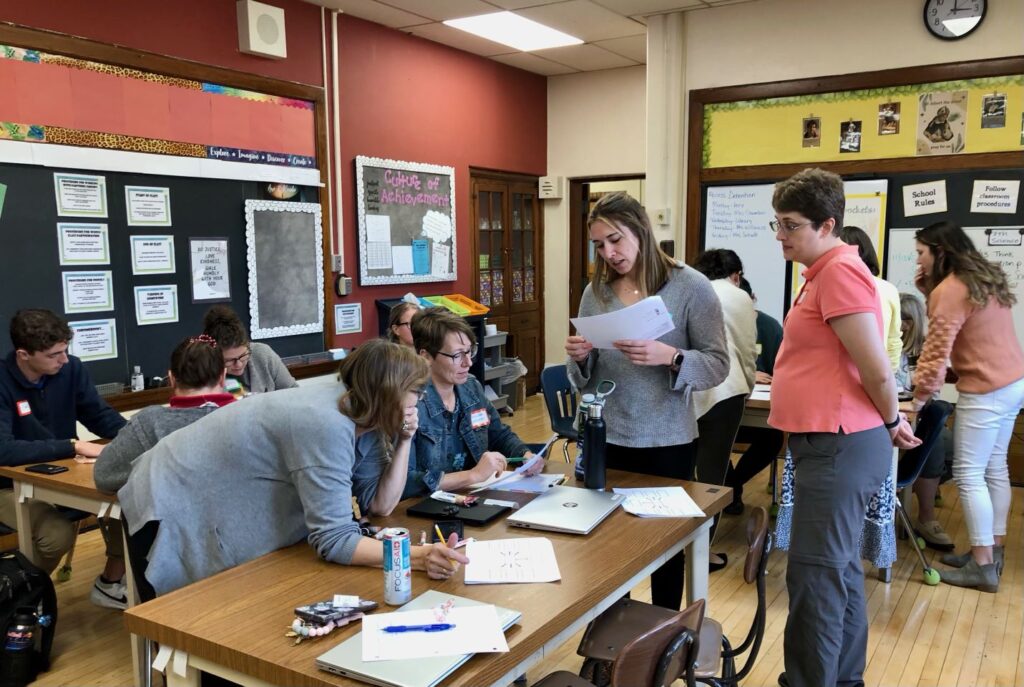
One of the most overlooked leadership moves in professional development is honoring the work teachers have already done. Too often, schools launch new initiatives without first recognizing progress made during the previous year. The most effective PD sessions begin with structured reflection.
At the start of our sessions, teachers participate in a collaborative review that typically lasts 30–90 minutes, depending on the campus needs. This reflection is not simply a morale exercise. It is a leadership strategy designed to:
- Surface successful instructional practices
- Identify real classroom challenges
- Build teacher ownership of the improvement process
Teachers reflect on both instructional successes and student breakthroughs, discussing moments where their strategies led to real progress for learners. This process builds confidence while also identifying where support is needed.
A Simple Structure: The Glow and Grow Reflection
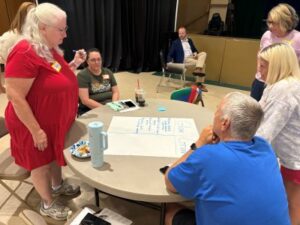
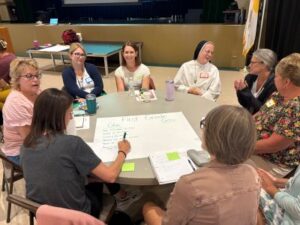
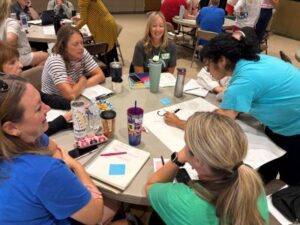
To guide the process, teachers work in grade-band teams using a Glow and Grow chart. This structured reflection helps staff identify both strengths and opportunities for growth.
Glow: What is working?
Teachers identify successful instructional moments. Examples include:
- Strategies that improved student engagement
- Lessons where students demonstrated strong understanding
- Breakthrough moments for struggling learners
Example prompts include:
- What strategy produced strong student results?
- What made that lesson successful?
- Which students made significant progress, and what contributed to that growth?
Grow: Where can we improve?
Teachers also reflect on areas that need attention. Example prompts include:
- Which lesson didn’t go as planned?
- Where did students struggle most?
- What instructional area would you like to strengthen this year?
Once teams complete their reflection, they share insights with the full staff.
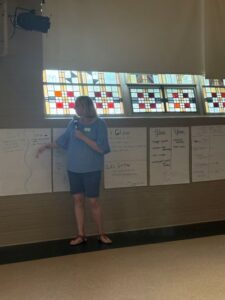
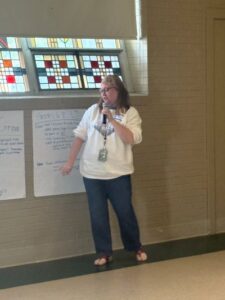
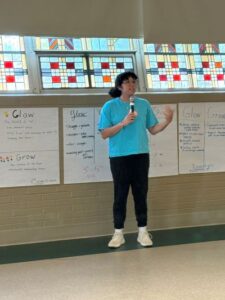
For administrators, this transparency is powerful. It creates a shared understanding of campus needs and ensures that the PD content that follows is targeted, relevant, and meaningful.
Why This Leadership Approach Works
When administrators begin PD with reflection and acknowledgment, three important shifts happen.
1. Teacher Voice Drives Improvement
Teachers feel heard when their experiences shape the direction of professional learning. This builds trust and increases the likelihood that new strategies will be implemented in classrooms.
It was good to collaborate with colleagues and hear others’ ideas.
2. Buy-In Increases
When teachers see their successes recognized, they feel valued and more motivated to engage in the next phase of learning.
Acknowledgment builds momentum.
I appreciated that the material was divided into groups appropriate for the different grade levels. I also liked that we could talk with our own grade level and hear what other teachers were doing and thinking.
3. Confidence Fuels Innovation
Celebrating progress—no matter how small—creates psychological safety for teachers to try new strategies.
And innovation in classrooms often begins with confidence, not compliance.
We learned ways to use this with Kindergarten students. Thanks!! Oftentimes PD’s do not address the little ones.
What This Means for School Leaders
For administrators, professional development is not simply about delivering information.
It is about creating systems that support continuous instructional growth.
When schools begin PD by acknowledging progress and elevating teacher voice, the culture shifts from:
And that shift has long-term benefits:
- stronger teacher morale
- better instructional alignment
- more consistent classroom practices
- improved student outcomes
The Leadership Opportunity
Professional development will always be part of the school year.
But the question for school leaders is not how much PD to provide.
It’s how intentionally that time is used.
By starting with purpose and reflection, administrators create a culture where professional learning is not something done to teachers, but something built with them.
That is where real growth begins.