

February in a K-12 school often feels like the ultimate test of endurance. The initial excitement of the school year has long faded, the holiday “reset” is a distant memory, and the finish line of May feels impossibly far away. This is the “February Slump”—a period where student engagement often dips, and the brain’s natural tendency toward “low-energy mode” takes over.
Administrators see the symptoms: rising disciplinary issues, a dip in teacher morale, and a pervasive sense of “covering content” rather than deepening understanding.
But science tells us that to reignite learning, we must convince the brain that the effort is worth it. The key to breaking the slump isn’t more pressure—it’s promoting learner agency.
Leadership Implications: From Mandates to Shared Journeys
For administrators, the “slump” is an opportunity to model the very agency we want to see in students. Sustainable change occurs when we shift from top-down mandates to a shared, collaborative journey.
- Audit Your Systems: Use our Learner Agency Campus Readiness Checklist to identify if your current structures (like PLCs) are actually discussing student ownership or just data compliance.
- Support the “Resilient Educator”: Acknowledge that teachers are also facing “compassion fatigue” and heavy administrative demands. Professional development that honors past efforts and gives teachers a voice will empower them to own their growth during these difficult months.
Amplifying Student Voice to Restore Purpose
When students feel like passive recipients of a curriculum, motivation plummets. Learner agency is the “capacity and propensity to take purposeful initiative—the opposite of helplessness”.

In the Classroom:
Imagine a 4th-grade classroom where the teacher notices a slump during a heavy writing unit. Instead of pushing through, she pauses to ask: “Why do we come to school?”.
She uses a Thinking Routine like the one from Project Zero called “See, Think, Wonder” to engage students in learning and let them share their preferences for how they want to tackle the next project. By simply giving students a say in how they express their learning, the teacher shifts the energy from compliance to ownership.
Re-Pacing Through Self-Directed Goals
The pressure to “cover” the pacing guide can lead to burnout for both teachers and students. However, when students engage in goal setting, the brain releases dopamine, making the effort feel rewarding.
In the Classroom:
A middle school math teacher realizes her students are overwhelmed by the upcoming unit. She remembers the work of Wiggins and McTighe and introduces GRASPS goal setting, allowing students to define their own Role, Audience, and Success criteria for a performance task.
By breaking the “marathon” into manageable, student-defined “sprints,” the pacing becomes something the students manage, rather than something that happens to them – helping them develop perseverance.

Leveraging Peer Feedback as a Catalyst
Feedback is most effective when it is a “dynamic, reciprocal, and cyclical process based on dialogue”. During the slump, students often feel isolated in their struggle. Peer feedback reconnects them to the learning community while reinforcing mastery.
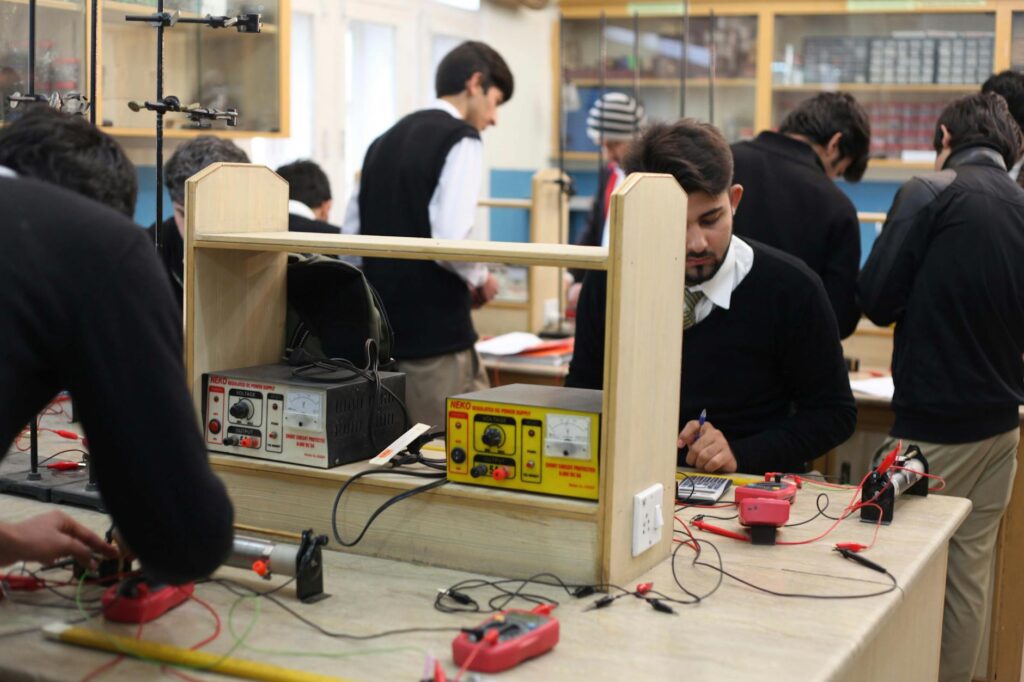
In the Classroom:
In a high school science lab, students use the TAG peer feedback strategy (Tell something you like, Ask a question, Give a suggestion).
This peer-to-peer dialogue doesn’t just improve the work; it builds Social-Emotional Learning (SEL) skills and external self-awareness, helping students see the impact of their contributions on others.
Don’t let the February slump define your semester!
Is your campus an “Empowered,” “Developing,” or “Emerging” environment for learner agency?
Let’s talk about your campus goals!
Ready to build a culture of resilience, engagement, and learner agency on your campus?