
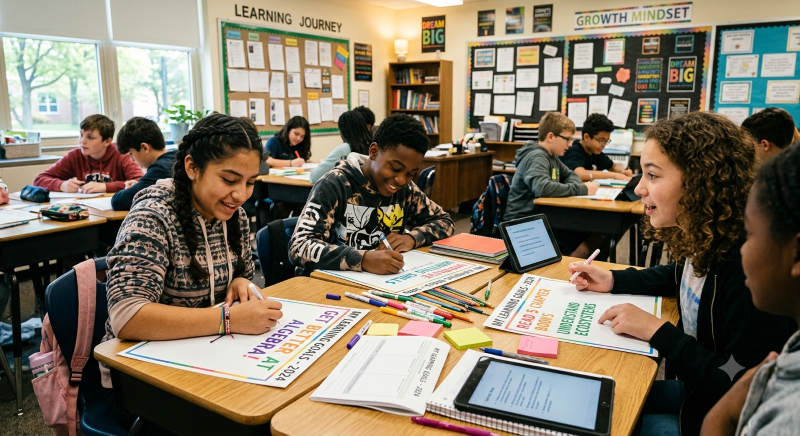
During classroom walkthroughs, I often notice learning targets posted clearly on the board.
But when I ask students what they are learning, their answers sometimes sound very different:
“We’re finishing this worksheet.”
“We’re answering the questions.”
“We’re working on page 12.”
The learning target is visible. But is the learning visible to the students?
That distinction matters—especially during the first few weeks of school.
School leaders spend this time establishing routines, communicating expectations, and building momentum. Yet there is another question worth asking:
What kind of learners are our classrooms beginning to develop?
If we want students to become independent thinkers who can set goals, reflect on their learning, and take ownership of their progress, those abilities cannot be left to chance. They must be intentionally developed through leadership decisions, instructional expectations, and the daily experiences students have in classrooms.
Independent learners are not developed by accident. They are developed through intentional leadership.
When every classroom uses a consistent approach to helping students understand what they’re learning, why it matters, and how they’ll know they’re successful, schools begin to move from compliance to ownership.
As John Hattie explains, “Visible teaching and learning occurs when learning is the explicit and transparent goal…”
But making learning visible involves more than posting an objective. It requires teachers and students to actively use the goal throughout the learning process.
Over the next four weeks, I will share three practical leadership moves that can help schools strengthen learner agency across classrooms. The series will conclude with a simple 30-day implementation plan leaders can use to turn these ideas into shared instructional practice.
Let’s begin with one of the most powerful leadership moves you can make in the first 30 days of school: establishing a schoolwide goal-setting routine.
Leadership Move #1: Establish a Schoolwide Goal-Setting Routine
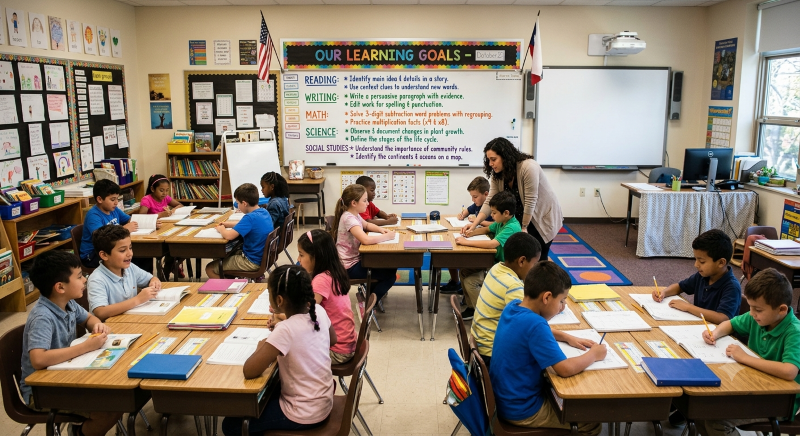
A learning target posted on the board does not automatically create student ownership.
Students may be able to read the objective and still have little understanding of what they are learning, why it matters, or how they will recognize success.
What might students say if you asked them about the learning goal?
Would they explain the learning in their own words? Or would they describe only the activity they were completing?
This is why goal setting must become more than an isolated teacher practice. It must become a shared leadership priority.
A strong schoolwide goal-setting routine helps students answer three essential questions:
- What am I learning?
- Why does it matter?
- How will I know I am successful?
When students can answer these questions in their own words, they are more likely to engage with purpose, monitor their progress, and persist when learning becomes difficult.
The leadership move, then, is not simply asking teachers to post learning targets. It is creating a shared expectation that learning goals will be discussed, clarified, revisited, and used throughout instruction.
During classroom walkthroughs, leaders might look for evidence that students:
- Explain the learning goal in their own words
- Describe what successful work or thinking looks like
- Revisit the goal during the lesson
- Monitor and describe their own progress
These observations can open the door to a different kind of coaching conversation.
Instead of asking, “Was the learning target posted?” a leader might ask:
How are students making sense of today’s learning goal rather than simply completing a task?
That question shifts the focus from teacher compliance to student thinking.
It also illustrates the bridge between leadership and learner outcomes:
A leader establishes a shared expectation for learning clarity. Teachers begin using goals more intentionally during instruction. Students learn to recognize what they are working toward and monitor their progress. Over time, they become less dependent on the teacher to tell them whether they are learning successfully.
The goal is not for one teacher to use goal setting well. It is for every student to experience learning clarity across classrooms.
As you begin your next classroom walkthrough, listen closely to how students describe their work.
Are they telling you what they are doing—or can they explain what they are learning?
Next week in the series
Many students can tell you what they completed.
Far fewer can tell you what they learned, which strategy helped them, where they struggled, or what they need to do next.
That gap matters.
Next week, we will explore how leaders can build reflection into daily instruction so students begin taking a more active role in evaluating their progress and deciding what comes next.