
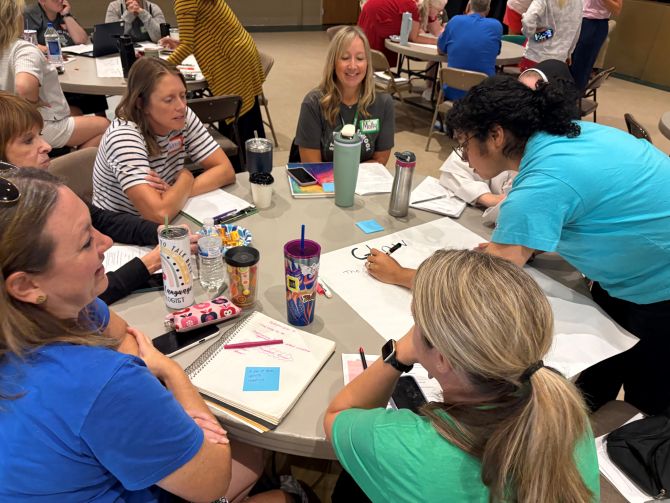
Many school leaders invest significant time and budget into professional development each year.
Teachers attend workshops.
New strategies are introduced.
Energy is high on training day.
But six weeks later, classroom practice often looks the same. This isn’t because teachers are unwilling to grow. More often, the challenge is how professional development is structured.
When PD is delivered as isolated workshops instead of a cohesive year-long strategy, teachers struggle to implement new ideas consistently—and the impact on student outcomes is limited.
For principals and district leaders working to improve instruction, the question becomes:
How do we move professional development from isolated events to a sustained system for teacher growth?
One of the most effective ways is through intentional, month-by-month planning aligned to academic goals.
Why Long-Term Professional Development Planning Matters
Strategic PD planning allows administrators to align professional learning directly with the school’s academic priorities and improvement goals. Instead of reactive training sessions, a year-long plan creates a structured path for teacher learning and instructional growth.
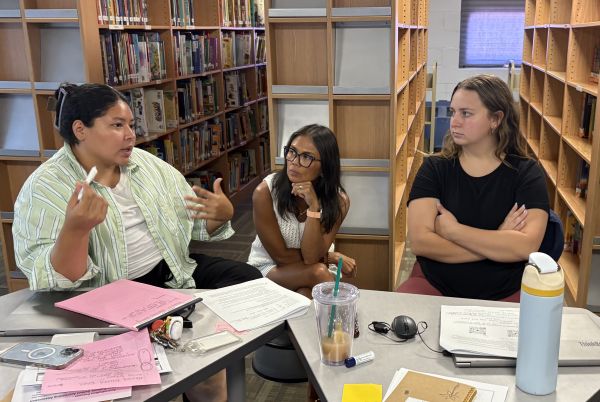
When professional development is intentionally paced throughout the year, schools can:
- Reinforce key instructional strategies over time
- Provide teachers opportunities to practice and reflect
- Align training with student data and academic benchmarks
- Build consistency across classrooms and grade levels
This approach also creates the space for discussion, peer collaboration, and coaching, which are essential for translating training into classroom practice.
In short, professional development becomes part of the instructional system—not just a calendar event.
The Leadership Benefits of Proactive PD Planning
For administrators managing competing priorities, proactive PD planning may feel like one more task on an already full schedule. However, strategic planning actually simplifies decision-making and improves outcomes in several key ways.
1. Aligns Professional Learning with School Improvement Goals
Without a clear plan, professional development can quickly become a series of disconnected workshops. A structured PD plan ensures that every session, discussion, and coaching opportunity supports the school’s academic priorities and improvement targets.
This alignment helps teachers understand how their professional growth directly contributes to student success.
2. Maximizes Time, Budget, and Staff Energy
Professional development requires significant resources. Thoughtful planning allows administrators to:
- schedule training intentionally
- secure high-quality facilitators in advance
- avoid rushed, last-minute PD decisions
This leads to more effective use of both time and budget.
3. Builds a Culture of Continuous Improvement
When teachers see that professional learning is thoughtfully planned across the year, it sends a powerful message:
Growth is not a one-time event—it’s an ongoing process.
A structured PD plan reinforces the expectation that teachers will continue refining their practice while also providing the support they need to do so.
4. Improves Teacher Morale and Retention
Professional development is often cited as either a major frustration or a major support for educators. When PD is disconnected from classroom realities, teachers may feel their time is being wasted.
However, when professional learning is relevant, strategic, and aligned to their daily challenges, teachers feel valued and supported. This contributes to:
- stronger morale
- greater professional confidence
- increased teacher retention
5. Allows Schools to Adjust and Improve Throughout the Year
A year-long PD plan should never be rigid. Instead, it provides checkpoints for reflection and adjustment.
Administrators can gather feedback, review student data, and refine professional learning as the year progresses—ensuring PD stays responsive to emerging needs.
Planning Professional Development for Your Campus?
Download Our Planner! ⬇️
Final Thoughts for School Leaders
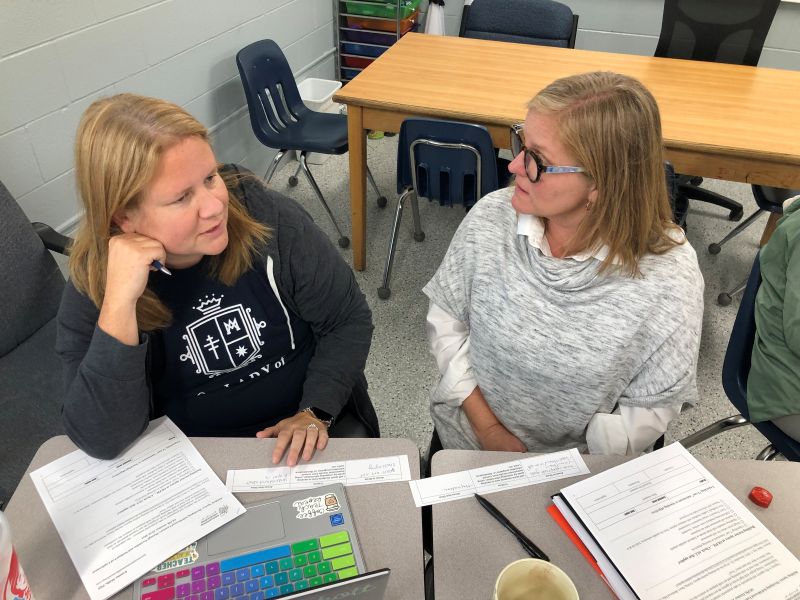
Professional development has the potential to be one of the most powerful drivers of school improvement. But meaningful change rarely comes from one workshop or a single training day. Lasting impact happens when professional learning is:
- aligned to instructional goals
- paced intentionally across the year
- connected to real classroom challenges
By planning professional development month by month, school leaders can create a cohesive system that supports teacher growth and strengthens student outcomes.
In our blog Effective Teacher Professional Development: How School Leaders Build a Culture of Growth we discuss how school leaders can design effective teacher professional development that increases teacher buy-in and improves student outcomes.
Looking for more ideas to strengthen professional development on your campus?
Planning Professional Development for Your Campus?
If your school or district is reviewing its professional learning strategy, a structured year-long plan can make a significant difference in teacher implementation and student success.
If you’d like to discuss how a strategic PD plan could support your campus goals, let’s connect.