
When I taught high school social studies, I would often begin a lesson by writing the day’s activities on the board—sometimes four or five different things we needed to accomplish.
Then I would ask my students a simple question:
“Which one would you like to do first?”
For those particular lessons, the order did not matter. We were going to complete the same activities and work toward the same learning goals regardless of where we started.
But giving students a say in the order was surprisingly powerful. They were so excited to choose! Why did such a small decision matter? Perhaps it was because, for a few moments, students were not simply following the lesson. They were helping shape it.
I had established the options, and the academic expectations had not changed. Yet students had an opportunity to influence what happened in the classroom. They were not simply waiting for me to direct every step of the lesson.
Looking back, this experience reminds me that student choice does not always require teachers to redesign an entire lesson. Sometimes, it begins by noticing where a decision belongs to the teacher—and where it could just as easily belong to the students.
Student Choice Does Not Mean Giving Up Structure
When school leaders encourage teachers to provide more student choice, an understandable concern often follows:
Will giving students more choice mean giving up structure, consistency, or academic rigor?
It does not have to.
Meaningful choice is not the absence of expectations. It is the opportunity for students to make thoughtful decisions within clear instructional boundaries.
The learning target remains consistent. The expectations remain high. What changes is that students have a greater role in determining how they will approach the learning.
Leadership Move #3: Increase Opportunities for Student Decision-Making
Structured student choice might allow them to decide:
- Which activity to complete first
- Which strategy to use
- Which resource will best support them
- How to demonstrate their understanding
- Which problem-solving pathway to take
- How to organize or present their thinking
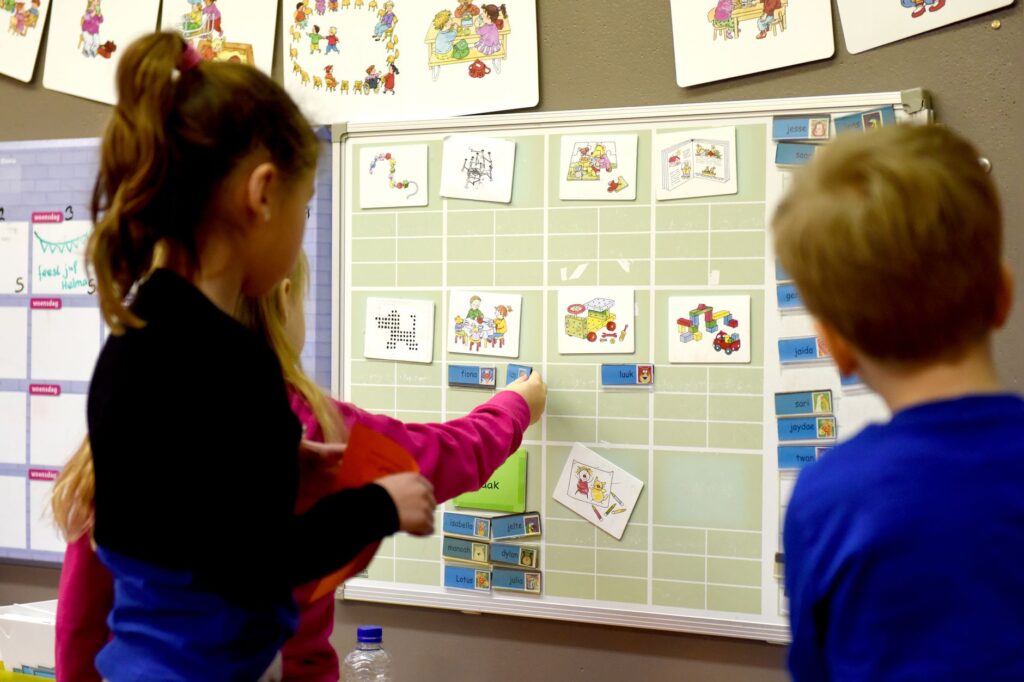
These may seem like small decisions, but they require students to think about themselves as learners.
Which strategy makes sense for this task?
What support do I need?
How can I communicate my understanding clearly?
Students are learning to evaluate options, make a decision, and consider whether that decision helped them move forward.
In The Classroom of Choice, Jonathan Erwin (2024) connects meaningful student choice with intrinsic motivation, engagement, and more empowered learning. Choice does not mean students control every part of the learning experience. It means teachers create appropriate opportunities for students to make decisions, exercise judgment, and take greater responsibility for what happens next.
For school leaders, the goal is to help teachers identify appropriate places to gradually transfer some decision-making to students while maintaining clear learning goals, success criteria, and support.
This is where leadership matters. When leaders describe student choice as an instructional free-for-all, teachers may understandably resist it. When leaders frame it as structured decision-making within clear expectations, teachers have a much more practical place to begin.
What Leaders Can Look For
During classroom walkthroughs, look for evidence of learner agency through student choice:
- Students make meaningful decisions about their learning
- Students explain why they selected a particular strategy or approach
- Multiple pathways are available while learning expectations remain consistent
- Students use available resources before immediately turning to the teacher
- Students adjust their approach when a strategy is not working
These questions invite teachers to examine both the opportunities students have to make decisions and the thinking behind those decisions.
When students are always told what to do, how to do it, and what to use, they may complete the task without developing the confidence to direct their own learning.
As you visit classrooms this week, consider one practical next step:
Where could students make one more meaningful decision without changing the learning target or lowering the expectation?
Bringing the First Three Leadership Moves Together
Throughout this three-part series, we have explored three practical ways leaders can begin building learner agency:
- Create a schoolwide goal-setting routine
- Build reflection into daily instruction
- Increase opportunities for meaningful student choice
These practices are most powerful when they work together.
Students set a goal. They make decisions about how to pursue it. Then they reflect on their progress and determine what to do next.
None of these practices requires a new program or a complete redesign of instruction. They begin with small, intentional shifts in the decisions leaders prioritize, the practices teachers build into daily learning, and the questions students are expected to consider.
That may be the most important leadership insight from this series:
Learner agency develops when students are given repeated opportunities to think about their learning, make decisions, and act on what they notice.
As you walk through classrooms during the first 30 days of school, consider:
Where are students setting goals, reflecting on their learning, and making meaningful decisions—and where might they need one more opportunity to take ownership?
The goal is not to see every practice in every classroom immediately. It is to begin creating a shared expectation that students will gradually become more active participants in their own learning.